How to Return to BodyPump After Travel Without Guessing Your Previous Loads
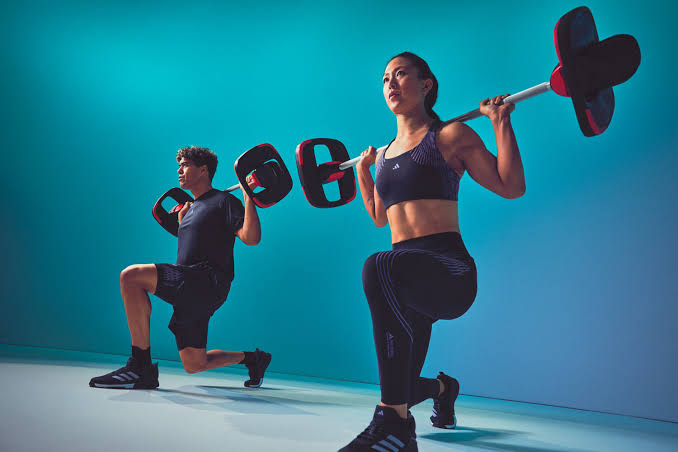
Business travel can interrupt class attendance and make previous loads difficult to remember. Participants returning to a bodypump class should use records, warm-up feedback and conservative first-track decisions rather than attempting to reconstruct every weight from memory.
A short interruption rarely removes all strength. Travel can still affect sleep, hydration, coordination and tolerance for high-repetition work.
Review What Happened During Travel
A week involving hotel-gym training differs from one spent mostly sitting in flights and meetings. Sleep quality and meal timing also influence the return.
Participants should consider whether they performed any strength work and how the body responded. This gives more useful context than counting the number of days away.
The first class should reflect actual activity and recovery.
Use a Simple Historical Record
A phone note can list the loads used for major tracks. The record does not need to include every repetition.
Useful categories include squat, chest, back, triceps, biceps and shoulders. The date or release can also be included.
This removes guesswork and reveals whether loads were stable before travel.
Treat Previous Loads as References
A recorded weight shows what was completed under earlier conditions. It is not a requirement for the return session.
Poor hotel sleep or a late flight can make the same resistance feel significantly heavier. Beginning slightly lower may be appropriate.
The participant can rebuild quickly when technique and recovery remain normal.
The Warm-Up Provides Information
The warm-up load should feel manageable across several movement patterns. Participants can observe range, rhythm and general coordination.
If the bar feels unusually heavy or movement remains stiff, later loads should be conservative. If the warm-up feels normal, the participant can move closer to previous numbers.
The warm-up should guide the plan rather than simply repeat familiar choreography.
New Releases Add Another Variable
The class may have changed during the participant’s absence. New tempo, exercise order or repetition combinations can alter the fatigue profile.
Using the previous release’s loads automatically may be unsuitable. The first exposure should be treated as both a return and a learning session.
Resistance can increase after the choreography becomes familiar.
High-Repetition Tolerance Can Decline Temporarily
Participants may retain general strength while feeling less prepared for continuous repetitions. The first few sets feel comfortable before fatigue rises quickly.
This is why testing only the opening part of a track is misleading. The load must remain suitable near the end.
A small reduction can preserve tempo and range across the complete sequence.
Grip and Trunk Endurance Need Attention
Travel involves long periods of sitting and limited loaded movement. Grip, trunk and shoulder endurance may fatigue before the target muscles.
Back tracks and clean-and-press sequences can reveal this. The participant should reduce resistance when the bar path or wrist position changes.
Returning with controlled movement is more useful than proving that the old bar can still be lifted.
Do Not Compensate for Missed Classes
Adding extra classes or heavier loads after travel does not recover missed adaptation. It can create soreness that delays the normal schedule.
The participant should resume from a logical point and allow some missed volume to remain missed.
Long-term consistency matters more than completing every planned session retrospectively.
Monitor the Next Day
The class itself provides only part of the feedback. Participants should assess soreness, energy and normal daily movement afterwards.
A manageable response supports gradual progression. Significant fatigue may justify another moderate session before previous loads return.
The following day often reveals more than the final track.
Rebuild Track by Track
Some loads may return immediately while others need more time. The participant should avoid increasing every track together.
Leg strength may feel normal while shoulders or grip fatigue earlier. Each section deserves its own progression decision.
This prevents one weak area from making the entire class excessively difficult.
Use Consistent Equipment Where Possible
Different bars, plates or studio layouts can make comparisons harder. At True Fitness Singapore, familiar equipment and instructor guidance can help returning members assess their loads under consistent conditions.
The participant can focus on movement and fatigue rather than adapting to a completely new system.
Records Turn Return Into Progression
Guessing encourages either excessive caution or unnecessary risk. A simple load history provides a sensible starting point.
The participant then adjusts according to current readiness, choreography and recovery. Travel becomes a temporary change in training conditions rather than a reason to restart blindly or force every previous number immediately.